General Information
Meeting Venue
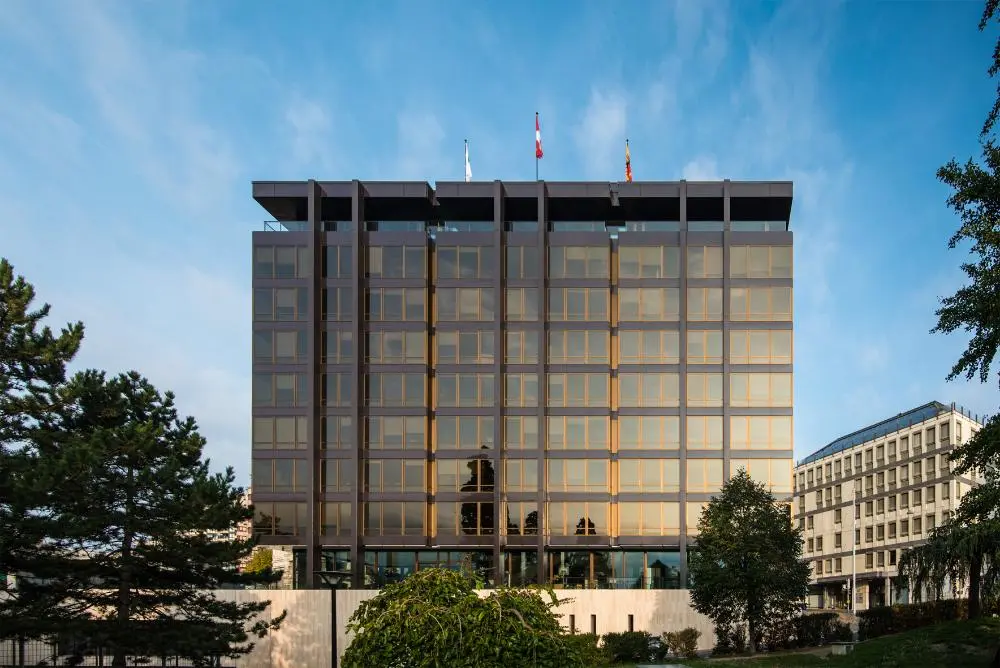
Fédération des Entreprises Romandes (FER) Genève
98, rue de Saint-Jean
1201 Genève, Switzerland
Language
The official language of CNS Summit 2027 is English.
Time Zone
During CNS Summit 2027, Switzerland will be operating on Central European Summer Time (CEST), which is 2 hours ahead of GMT (UTC+2).
Visa Requirement
Please check the Visa Information page.
Liability & Insurance
The Meeting Organizing Secretariat and Organizers cannot accept liability for personal accidents or loss of or damage to the private property of participants. Upon registration, participants agree that neither the Organizing Committee nor the Organizing Secretariat assumes any liability. Participants are advised to take out their own personal travel and health insurance for their trip.
Safety & Security
Please do not leave bags or suitcases unattended at any time, whether inside or outside the session halls. Hotels strongly recommend that you use their safety deposit boxes for your valuables. If you are a victim of crime, call the police at 117. If you are injured and require immediate medical attention, call the emergency medical services at 144.
Climate
In June, Geneva experiences the beginning of summer, with temperatures generally ranging from around 57°F to 77°F (14°C to 25°C). Participants attending the ISRS CNS Summit 2027 are advised to pack light, comfortable clothing, along with a light jacket or sweater for cooler mornings and evenings. Rain showers are possible, so a compact umbrella or light rain jacket may also be useful. Sunscreen and sunglasses are recommended, as the days are long and sunny periods can be strong. Attendees may also find it useful to bring a reusable water bottle and stay hydrated throughout the day. Please check updated weather forecasts closer to the event for the most accurate information.
Clothing
The dress code for CNS Summit 2027 is business formal for all occasions unless stated otherwise.
Electricity
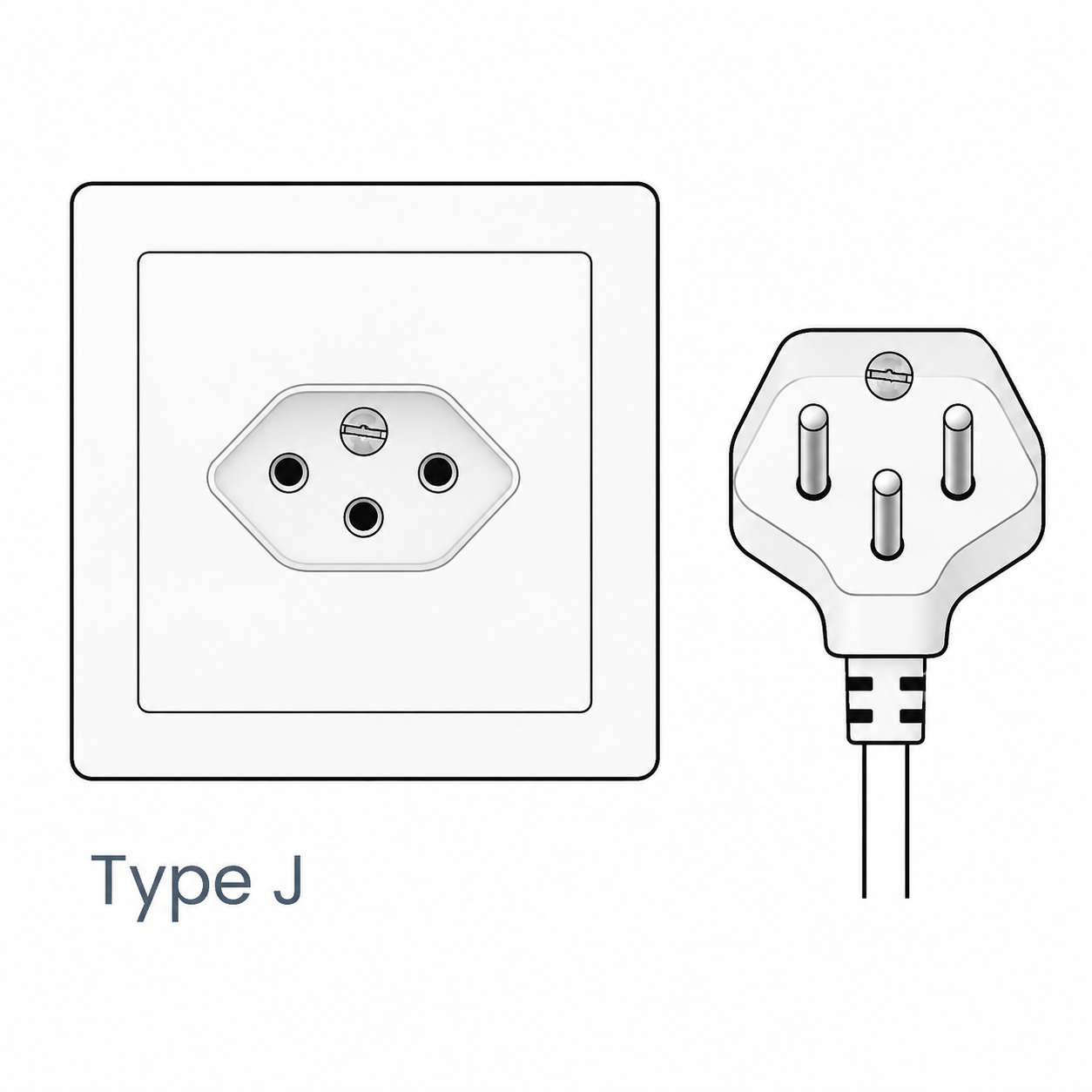
Switzerland uses Type J electrical plugs, which have three round pins arranged in a triangular pattern. The standard supply voltage is 230V, with a frequency of 50Hz. Participants travelling from countries with different plug types may need to bring a suitable travel adapter.
Currency & Exchange
Switzerland uses the Swiss franc (CHF) as its official currency. Coins in circulation include 5, 10, 20 rappen, ½, 1, 2 and 5 francs. Banknotes are available in denominations of CHF 10, CHF 20, CHF 50, CHF 100, CHF 200 and CHF 1,000. Credit and debit cards are widely accepted in Switzerland, particularly Visa and Mastercard, with American Express accepted at some establishments. Contactless payments are also widely available. Travelers are advised to inform their banks about their travel plans to help ensure uninterrupted card usage and to check any applicable foreign transaction fees.
ATMs are widely available in Geneva and throughout Switzerland, allowing visitors to withdraw Swiss francs. Currency exchange services are available at airports, banks, railway stations and exchange offices. It is advisable to compare exchange rates and fees before exchanging currency or withdrawing cash. Although cards are widely accepted, carrying a small amount of Swiss francs can be useful for smaller purchases or establishments that do not accept cards.
Tax
Switzerland has a Value Added Tax (VAT) system, which is applied to most goods and services. The current standard VAT rate is 8.1%. Reduced rates of 2.6% and 3.8% apply to certain goods and services, including some food products, medicines, books and accommodation.